
A UGC video ad from one product photo
Put your product in a creator's hands and have them say your line, in a vertical video ready for TikTok, Reels and Shorts. About $0.508 an ad on today's prices, paid per ad from one balance, with no subscription and no actors to book.
From packshot to ad in two steps
A real example, made in GenMagic on October 28, 2026. The product, the creator and the voice are all AI-generated.
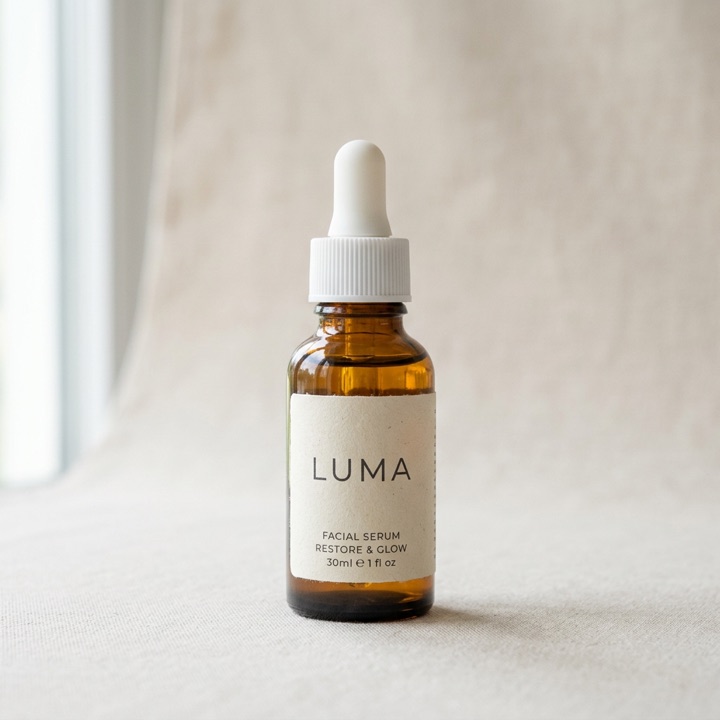
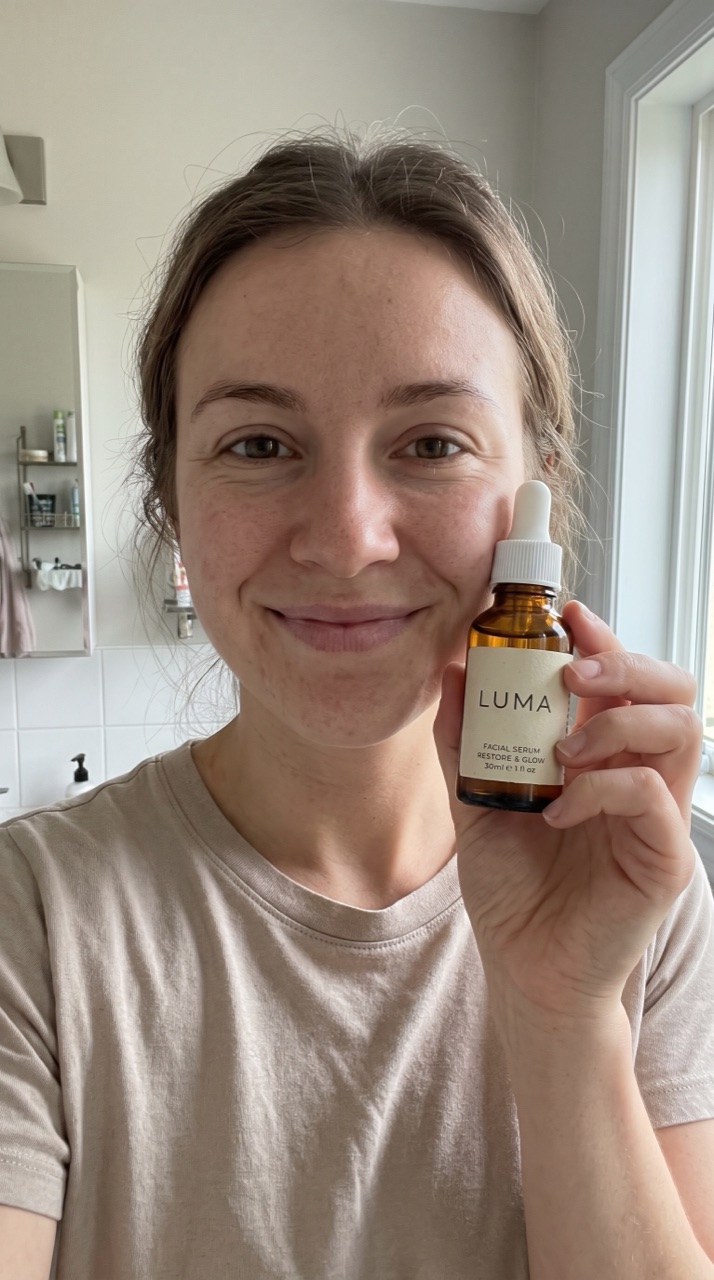
The exact steps behind the example
1. Put the product in a creator's hands
In the studio, choose Image, attach your product photo, set the shape to 9:16 and pick Google: Nano Banana 2.1. Describe the creator and the setting, and ask it to keep the product exactly as it is:
A friendly woman in her late twenties holds this exact serum bottle up beside her face and smiles at the camera, in a bright home bathroom, casual selfie-style smartphone photo, natural skin, vertical framing. Keep the bottle and its LUMA label exactly as in the image.
2. Have them say your line
Press Animate on the result, pick Google: Veo 3.1 Lite with sound on, 6 seconds at 720p, and write the line in quotes:
She looks into the phone camera and says warmly: "Meet LUMA, a light facial serum for dry skin. Two drops in the morning, and you are done." She lifts the bottle a little closer to the camera and smiles. Handheld selfie video, natural bathroom light.
3. Make the variants
Keep the creator photo and change only the line to test hooks, or make a second creator for another audience. Each clip opens on the photo you choose, so the product stays the same in every variant, and Continue starts the next shot from the last frame of the one before.
What makes it work
- One line per clip. Six to eight seconds fits one spoken sentence; a longer ad is several clips.
- Quotes around the words. The model speaks what is inside them and acts out the rest.
- A vertical photo first. A square opening image comes out letterboxed in a 9:16 video.
- A model that takes people. Some video models refuse an opening image of a realistic person; Veo and Kling take them.
- A presenter, not a customer. The creator says what the product is and how to use it, never that they used it: an AI person has no experience to report.
Run it
The clip comes out 9:16 with sound, the format TikTok, Instagram Reels and YouTube Shorts ads take as it is. Most short-form ads also carry burned-in captions, which GenMagic does not add: Submagic (opens in new tab) captions a finished clip automatically. Upload it as the ad's video, turn on the platform's AI-generated content label, and test two or three spoken lines against each other rather than one. New to TikTok ads? Start a TikTok for Business ad account (opens in new tab). Both are referral links, so GenMagic earns a commission if you sign up, at no extra cost to you.
Automate it
The same two calls run through the GenMagic API, so an n8n workflow, a script or an agent can turn a product feed into ads, each priced exactly like the studio. Every video model's price per second is on video API pricing, and scripts, testing and the FTC and platform rules are in our guide to AI UGC ads. We ran this exact ad on five video models and compared them in our model test, and what an ad costs on Arcads, Creatify, MakeUGC, HeyGen and Higgsfield is in our UGC tool comparison. Making ads for clients? Here is what a month of production costs. Ads without a creator, shot by shot: the AI video ad generator.
About AI UGC ads
How much does an AI UGC ad cost?
About $0.508 for a 6-second ad on today's prices: $0.058 for the creator photo with Google: Nano Banana 2.1 and $0.45 for the spoken clip with Google: Veo 3.1 Lite. You pay for what you make from a prepaid balance, and a render that fails is not charged.
Can I use my own product photo?
Yes, and it works best that way: attach a clear photo of the product and ask the image model to keep it exactly as it is. A plain background or a simple packshot is enough.
Does the creator really say my line?
Yes. Write the line in quotes in the video prompt and a video model with sound speaks it. In the example on this page the clip says, word for word, "Meet LUMA, a light facial serum for dry skin. Two drops in the morning, and you are done."
Which models work for videos of people?
Video models with sound that accept an opening image of a person, such as Veo 3.1 Lite, Veo 3.1 and Kling. Some models refuse an opening image that shows a realistic person (Seedance does), and say so when you try.
Can the presenter read a longer script?
Yes, with HeyGen Avatar IV: attach the presenter's photo, write the script and pick one of twelve voices, and the clip is the presenter saying it word for word, lip-synced, for as long as it runs, billed per second of speech. The presenter speaks for the brand; never script them as a customer who used the product.
Can the AI creator say they used the product?
No. An AI person has never used your product, so a line like "I've used it for two weeks" is a testimonial from someone who does not exist, which the FTC's rule on fake reviews and testimonials (16 CFR Part 465) prohibits in the US, and which misleads viewers anywhere. Script the creator as a presenter: what the product is, who it is for, how to use it, and claims you can back up.
Do I need to label AI-generated ads?
Platforms ask you to label realistic AI-generated people (TikTok, Meta and YouTube each have a label for it). Label the ad as AI-generated where the platform asks, and present the creator as a presenter, never as a customer.
Can I make many variants automatically?
Yes. The same two steps run through the GenMagic API, so a script, an n8n workflow or an agent can make a different hook, creator or line for each variant from one balance.